
The history of gambling a journey through time and technology
The Origins of Gambling
Gambling has a rich history that dates back thousands of years, originating from ancient civilizations. Evidence of gambling activities can be traced to as early as 3000 BC in Mesopotamia, where people used dice made from animal bones. Ancient Chinese cultures also participated in gambling games, utilizing tiles to play games that resemble modern-day lottery systems. These early forms of gambling laid the groundwork for the development of various gaming activities that followed throughout human history. Today, players can experience these games online at Just Casino, which offers numerous options for entertainment.
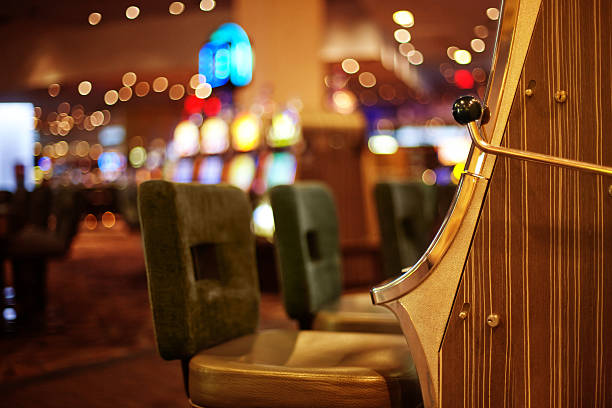
As societies evolved, so did the methods and games of gambling. The Romans popularized betting on gladiatorial contests and races, further embedding gambling in cultural practices. During the Middle Ages, gambling became more organized, with the introduction of games such as dice and card games. Even in these early stages, gambling was often regulated, showing its significance in social structures and interactions.
By the Renaissance period, gambling had gained widespread acceptance across Europe. The invention of playing cards in the 14th century added a new dimension to the gambling scene. These advancements spurred the creation of gaming houses and early forms of casinos, indicating a shift toward more formalized gambling environments. This period marked the beginning of gambling as a popular recreational activity, paving the way for modern gambling culture.
The Rise of Casinos
The formal establishment of casinos emerged in the 17th century when the first known gambling house, the Ridotto, opened in Venice, Italy, in 1638. This venue catered to the elite, providing a controlled environment for gaming. The concept of the casino quickly spread throughout Europe, leading to the establishment of gaming establishments in places like France and Spain. These early casinos were characterized by opulence and luxury, often attracting wealthy patrons who sought both entertainment and social status.
The 19th century saw a dramatic transformation in the casino landscape, particularly with the advent of legal gambling in various jurisdictions. The establishment of the Monte Carlo Casino in 1863 solidified the reputation of casinos as glamorous destinations. This period also witnessed the introduction of various games such as roulette and baccarat, further diversifying the gambling offerings. The allure of casinos became synonymous with the thrill of risk-taking and potential fortune.
As the 20th century approached, the United States experienced its own gambling revolution. The legalization of casinos in Nevada in 1931 marked a significant milestone. Las Vegas emerged as the gambling capital of the world, characterized by extravagant casinos and entertainment options. This period showcased how casinos could evolve beyond mere gaming venues into comprehensive entertainment destinations, appealing to a wide audience and solidifying gambling’s place in popular culture.
The Impact of Technology on Gambling
The digital revolution has profoundly altered the gambling landscape, beginning in the late 20th century. The introduction of the internet in the 1990s opened new avenues for online gambling, allowing players to participate in games from the comfort of their homes. Online casinos became popular as they offered a vast array of games, often with enticing bonuses and promotions. This shift democratized access to gambling, reaching a broader audience than traditional brick-and-mortar casinos.
Technological advancements continued to refine the online gambling experience. The development of secure payment methods and mobile technology enabled players to enjoy gaming on various devices. Software innovations also improved game graphics and gameplay mechanics, creating immersive experiences akin to physical casinos. Live dealer games emerged, bridging the gap between online and traditional gambling by incorporating real-time interactions through video streaming.
Today, technology plays a crucial role in the gambling industry. Artificial intelligence and machine learning are being utilized to enhance user experience, providing personalized recommendations and improving customer service. Additionally, the introduction of blockchain technology is reshaping the landscape, offering transparency and security for online transactions. As technology evolves, the gambling industry continues to adapt, integrating new tools and innovations to meet players’ expectations.
The Future of Gambling
The future of gambling is poised for exciting developments as emerging technologies continue to reshape the landscape. Virtual reality (VR) and augmented reality (AR) are set to revolutionize how players engage with games, offering immersive experiences that mimic the atmosphere of a physical casino. These technologies have the potential to enhance social interactions and create a sense of presence, elevating the overall gaming experience.
Furthermore, regulatory changes worldwide are likely to influence the growth and accessibility of gambling. Countries are reevaluating their stances on online gambling, leading to increased legalization and regulation. This shift can result in a more robust and safer gambling environment, fostering responsible gaming practices and consumer protection measures. The convergence of technology and regulatory adaptation will define the future trajectory of the gambling industry.
As the industry continues to grow, responsible gaming initiatives will also play a critical role. Stakeholders are increasingly prioritizing player safety, promoting awareness and support for responsible gambling practices. This focus ensures that the excitement of gambling is accompanied by a commitment to player well-being, fostering a balanced and sustainable gambling environment as we move into the future.
Just Casino: A Modern Gambling Experience
Just Casino is an exemplary illustration of how modern technology has transformed the gambling experience. Tailored for players in New Zealand, this online platform offers an extensive library of over 3,500 games, including popular pokies and classic table games. By leveraging technology, Just Casino provides a user-friendly interface, allowing players to navigate effortlessly through their game selections. This extensive catalog ensures that players have access to a diverse range of gaming options to suit their preferences.
In addition to its vast selection of games, Just Casino prioritizes player incentives. New users can benefit from a generous welcome bonus of up to NZ$4,000 and 300 free spins, enhancing their gaming experience from the very start. This approach not only attracts new players but also retains them by providing ongoing promotions and bonuses that keep the excitement alive. The commitment to player engagement reflects the casino’s understanding of the competitive online gaming landscape.
Just Casino emphasizes responsible gaming, ensuring that players can enjoy their gaming experience safely. The platform features rapid NZD withdrawals and reliable customer support, offering players peace of mind as they engage with the site. By fostering a secure and enjoyable environment, Just Casino exemplifies how modern casinos are adapting to meet players’ needs in an ever-evolving gambling landscape.
